
If one of your toes has been curling or bending in a way that makes it hard to wear shoes comfortably, you might be dealing with a hammertoe, and you’re definitely not alone. It’s one of the most common foot conditions we see, and for a lot of patients, it’s something they’ve been living with for years before they finally decide to do something about it.
The good news is that treatment has come a long way, and for patients in Rockwall and the surrounding areas, you don’t have to travel far to see a specialist who can actually fix it.
What Is a Hammertoe?
A hammertoe is a deformity that causes one of the smaller toes to bend abnormally at the middle joint, instead of lying flat. The second toe is most commonly affected, though it can happen to the third or fourth toes as well. Over time, that bent position can become permanent, leading to pain, corns, calluses, and serious difficulty finding shoes that fit.
Common causes include:
- Wearing shoes that are too narrow or crowd the toes
- A foot structure where the second toe is longer than the big toe
- Muscle and tendon imbalances that develop over time
- Arthritis or nerve conditions affecting the foot
In the early stages, a hammertoe is still flexible and can often be managed without surgery. But once it becomes rigid and fixed in that bent position, surgical correction is usually the most effective path to long-term relief.
Do I Actually Need Surgery?
Not always — and that’s an important distinction. At Lake Pointe Orthopaedics, surgery is always the last resort, not the first conversation. Depending on how progressed your hammertoe is, conservative options like padding, toe spacers, physical therapy, or changes in footwear may provide enough relief to keep things manageable.
That said, if your toe has become rigid, you’re developing open sores or wounds from shoe friction, or the pain is affecting your daily life, it’s worth having a real conversation about surgical options. Waiting too long can actually make the correction more complex, so getting evaluated sooner rather than later is always a good idea.
What Does Hammertoe Surgery Look Like?
Hammertoe correction is typically an outpatient procedure, meaning you go home the same day. It’s performed under local anesthesia and usually takes around 15 minutes per toe. The goal is to rebalance the tendons and straighten the joint so the toe can lie naturally again. In some cases, a small implant is used to hold the joint in the corrected position.
Most patients are walking the same day in a surgical shoe, and while there’s some swelling and stiffness during recovery, the discomfort is generally very manageable. For many people, it’s far less involved than they expected going in.
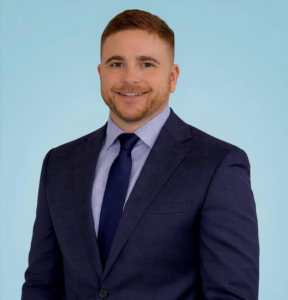 Why See Dr. Weido at Lake Pointe Orthopaedics?
Dr. Daniel Weido is a board-certified foot and ankle surgeon with fellowship training in reconstructive foot and ankle surgery. He’s one of the few foot and ankle specialists in the Rockwall area operating at multiple local hospitals, including Texas Health Presbyterian Rockwall, Lake Pointe Baylor Scott & White, and Texas Health Presbyterian Kaufman.
That matters because when surgical intervention is the right call, Dr. Weido isn’t just recommending a procedure and sending you somewhere unfamiliar. He’s with you through the whole process, from that first evaluation to your post-op care.
He sees patients at our Rockwall location at 3136 Horizon Rd, just next to Texas Health Presbyterian Rockwall, and also at our Greenville and Kaufman offices for patients coming from Hunt County or the Kaufman County area.
Serving Rockwall and the Surrounding Communities
Patients come to see Dr. Weido from throughout the area, including Heath, Rowlett, Royse City, Forney, Fate, and beyond. If you’ve been putting off getting your foot looked at because you didn’t know where to go, or you assumed you’d have to drive into Dallas, we’re a lot closer than you might think.
Ready to Get It Checked Out?
If that bent toe has been bothering you, whether it’s been a few months or a few years, it’s worth coming in. We offer same-day appointments in most cases, and we’ll give you a straight answer on whether surgery is actually necessary or whether there’s something simpler we can try first.
Call us at 972-475-8914 or request an appointment online. We’d love to help you get back on your feet.